
May Is Water Safety Month: What Actually Prevents Drowning (2026 Update)
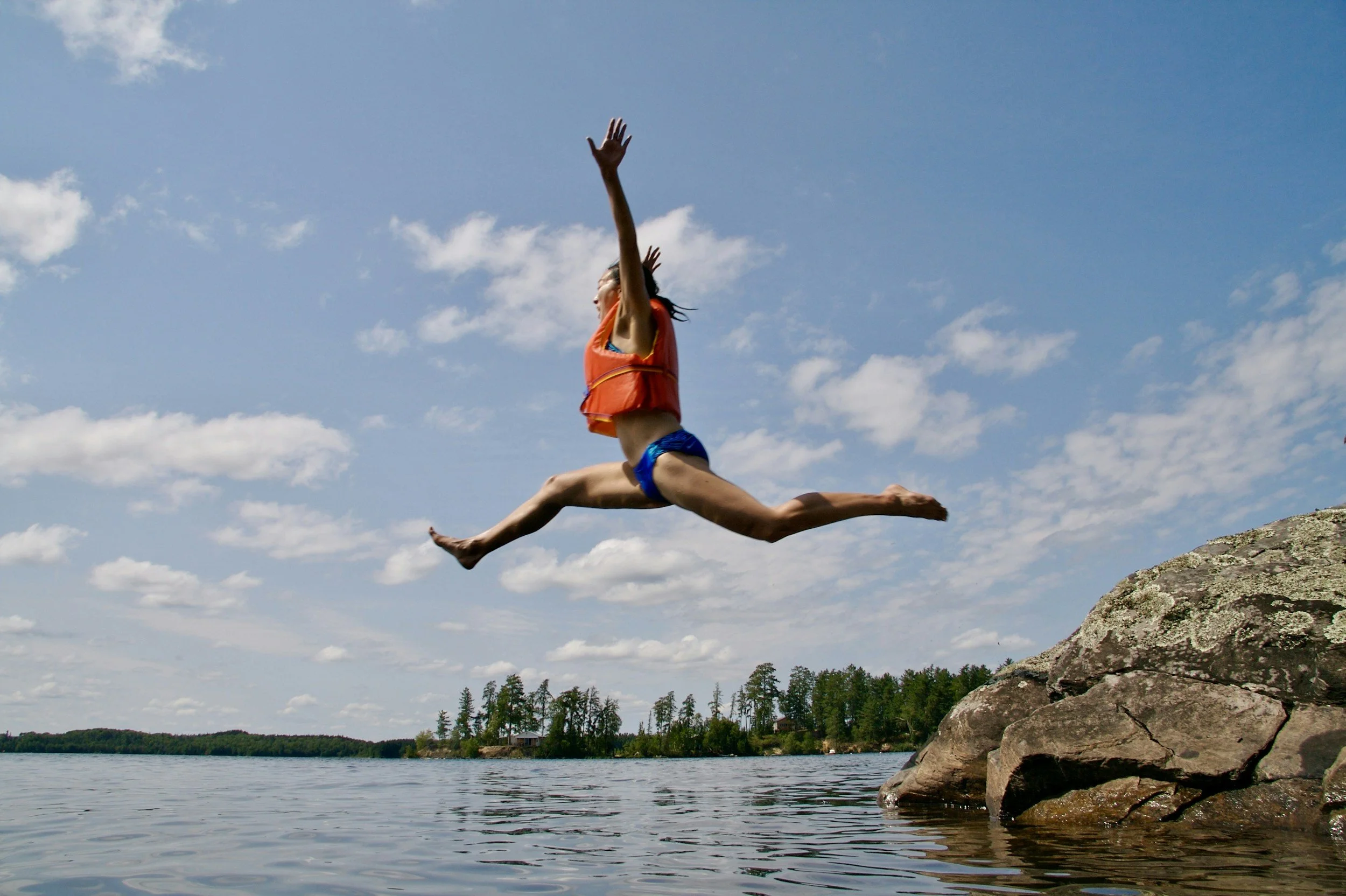
May is recognized as Water Safety Month—a time to focus on the simple, proven actions that prevent drowning. While awareness is important, prevention comes down to understanding how quickly things go wrong in the water—and what actually works to stop it.
Drowning remains a leading cause of unintentional injury death in the United States. According to the Centers for Disease Control and Prevention, approximately 4,000 fatal unintentional drownings occur each year—about 11 per day. In California, incidents frequently occur in reservoirs, rivers, and canals, often during routine recreational activities.
Why This Matters in 2026
Outdoor water recreation continues to increase across California. Reservoirs, rivers, and aqueduct systems remain especially hazardous due to cold water, limited exit points, and unpredictable conditions. Many incidents involve individuals who overestimate their swimming ability or underestimate how quickly cold water affects the body.
Cold water below 70°F can trigger an involuntary gasp reflex, rapid breathing, and immediate loss of muscle control—conditions that can overwhelm even strong swimmers within minutes.
(Source: National Center for Cold Water Safety)
What Actually Prevents Drowning
Focus on these proven measures:
Wear a properly fitted, U.S. Coast Guard–approved life jacket in open water
Enter water slowly to reduce the effects of cold shock
Never swim alone—always ensure someone is watching
Avoid alcohol when swimming or boating
Identify exit points before entering canals, rivers, or reservoirs
These recommendations are supported by the American Red Cross and the Centers for Disease Control and Prevention.
What We See in Real Incidents
Based on our field experience:
Many victims are within 10–25 feet of safety
Panic and cold water—not distance—are primary factors
Victims often overestimate their swimming ability
Non-swimmers and occasional swimmers are at highest risk
Drowning is fast, silent, and often occurs without obvious distress signals.
Why Prevention Matters
Beyond the immediate tragedy, an unrecovered drowning victim can leave families in prolonged legal and financial uncertainty. Recovery is not only about closure—it is often necessary to complete official processes that allow families to move forward.
At California Recovery Divers, we see firsthand how preventable many of these incidents are.
Common Questions About Water Safety
What is the leading cause of drowning?
Unintentional entry into water combined with lack of barriers, supervision, or flotation support is the most common factor. Alcohol and overconfidence frequently contribute in adults.
How quickly can drowning happen?
It can occur in minutes. Cold water shock can incapacitate a person in under a minute, and unconsciousness can follow shortly after without flotation support.
Are life jackets necessary for strong swimmers?
Yes. Cold water, fatigue, and panic affect everyone. A life jacket provides critical buoyancy when conditions change unexpectedly.