
Staying Safe Around California Aqueduct Canals: What to Do If Someone Falls In
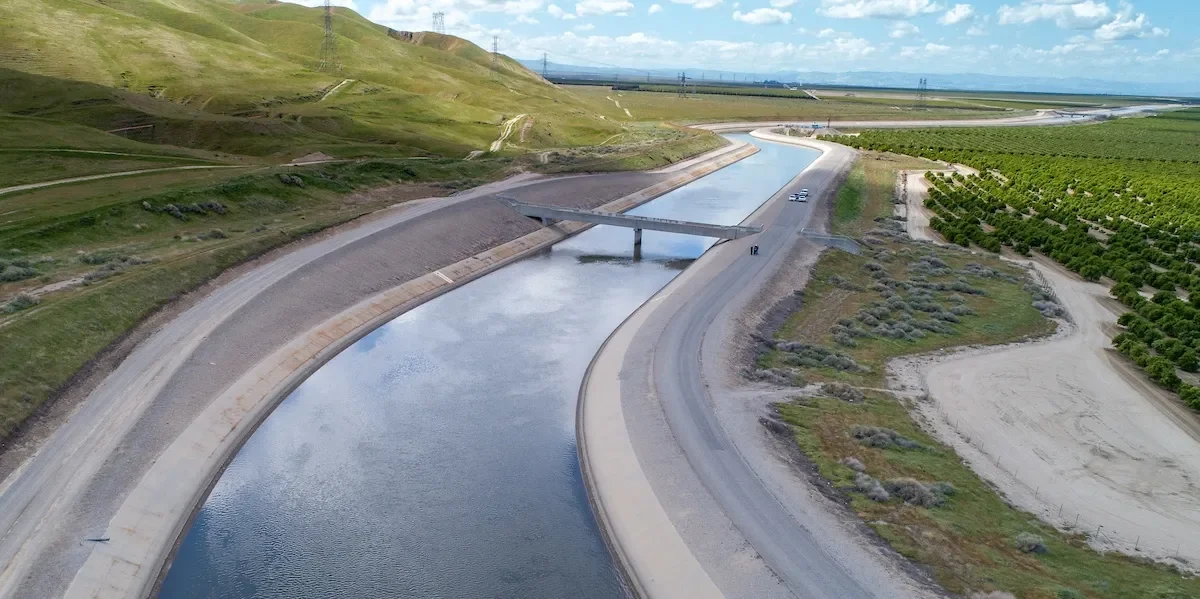
Understanding the dangers of California aqueduct canals and what to do if someone falls in. Safety tips that could help prevent a tragedy.
Across California, long stretches of concrete canals carry water through farmland, open countryside, and rural communities. People often encounter them while driving, walking, or working nearby. At first glance they can look calm and controlled, but aqueduct canals can be far more dangerous than they appear.
Water in many sections of these canals moves between three and five knots. In a confined concrete channel with steep sides, that current can quickly carry someone downstream. Even strong swimmers can struggle against it.
Understanding the risks—and knowing how to respond—can make an important difference.
Why Aqueduct Canals Are Dangerous
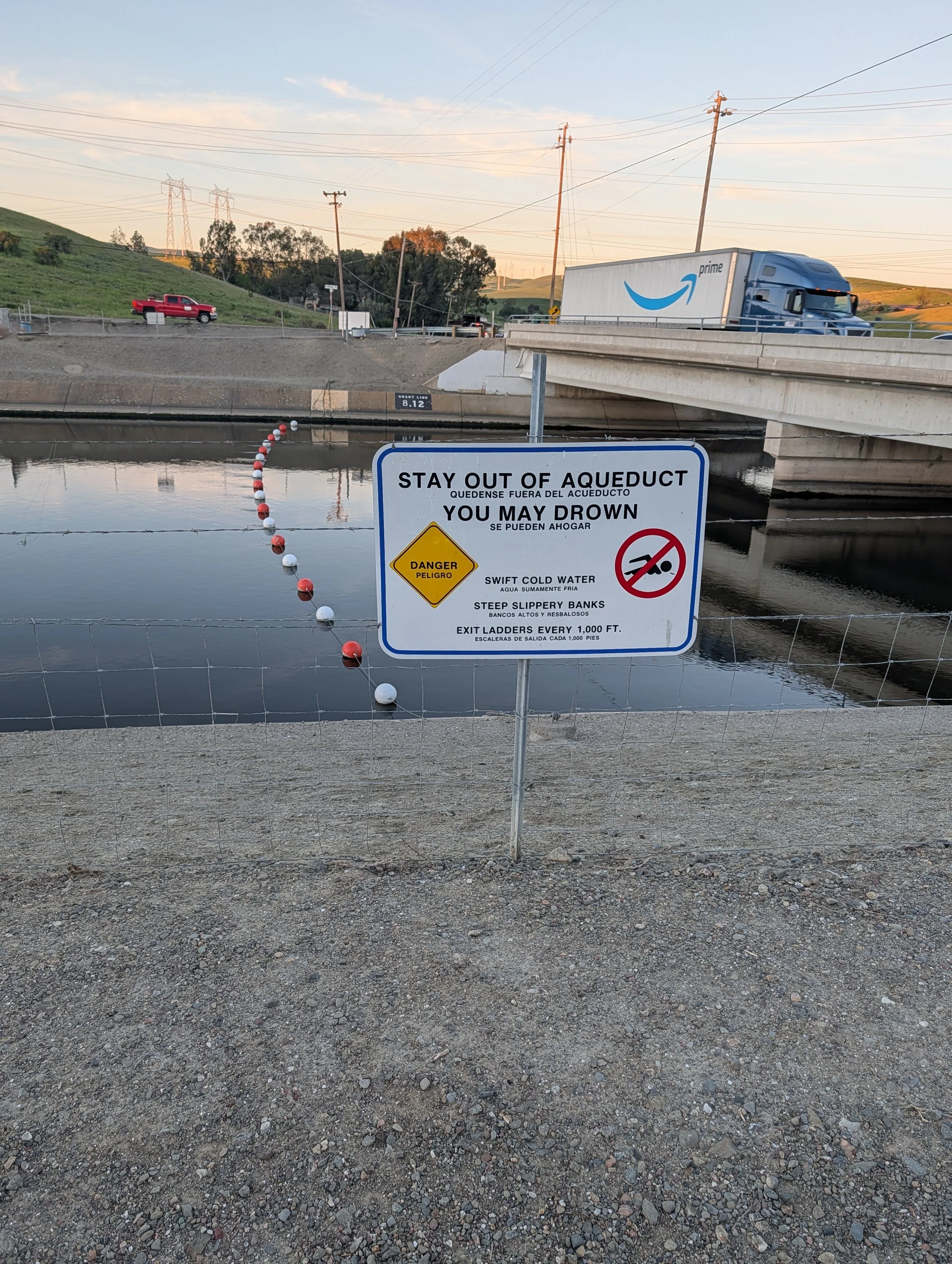
Aqueduct canals are engineered to move water efficiently, not to provide safe access for recreation.
Several conditions make them hazardous:
Strong current that continuously pushes water downstream
Steep concrete walls that are difficult to climb
Cold water temperatures that quickly drain energy, especially in the winter and spring months with snow runoff
Limited exit points, usually safety ladders spaced along the canal
A slip on loose gravel, reaching too far while fishing, or standing too close to the edge can quickly turn into a dangerous situation.
The simplest way to stay safe is to respect posted warning signs, gates, and barriers. They are placed there because people have been injured or killed in canals before.
If Someone Falls Into a Canal
If you ever see someone fall into a canal, acting quickly and calmly can help emergency responders locate the person and improve the chances of survival.
Call 911 immediately.
While one person calls for help, another step can be extremely useful:
Take a photo or mark the GPS location on your phone.
This establishes the exact place where the person entered the water—often referred to as the last known point. Because the current moves quickly, responders use that information to estimate where the person may be downstream.
If possible, keep visual contact and provide updates to the dispatcher.
What to Tell the Person in the Water
If the person is within shouting distance, a few simple instructions can help them conserve energy and reach safety. Trying to swim directly against a strong current usually leads to exhaustion. Floating with the flow while slowly working toward the side of the canal uses far less energy.

Many canals have metal ladders mounted along the walls, often spaced about every 1,000 feet. Reaching one of these ladders can allow someone to climb out safely.
Encourage them to:
Stay calm
Float with the current
Move gradually toward the canal wall
Look for Buoy Safety Lines
Some canal sections also include buoy lines stretched across the water, like the one shown in the photo. These floating lines are installed as safety devices in certain locations.
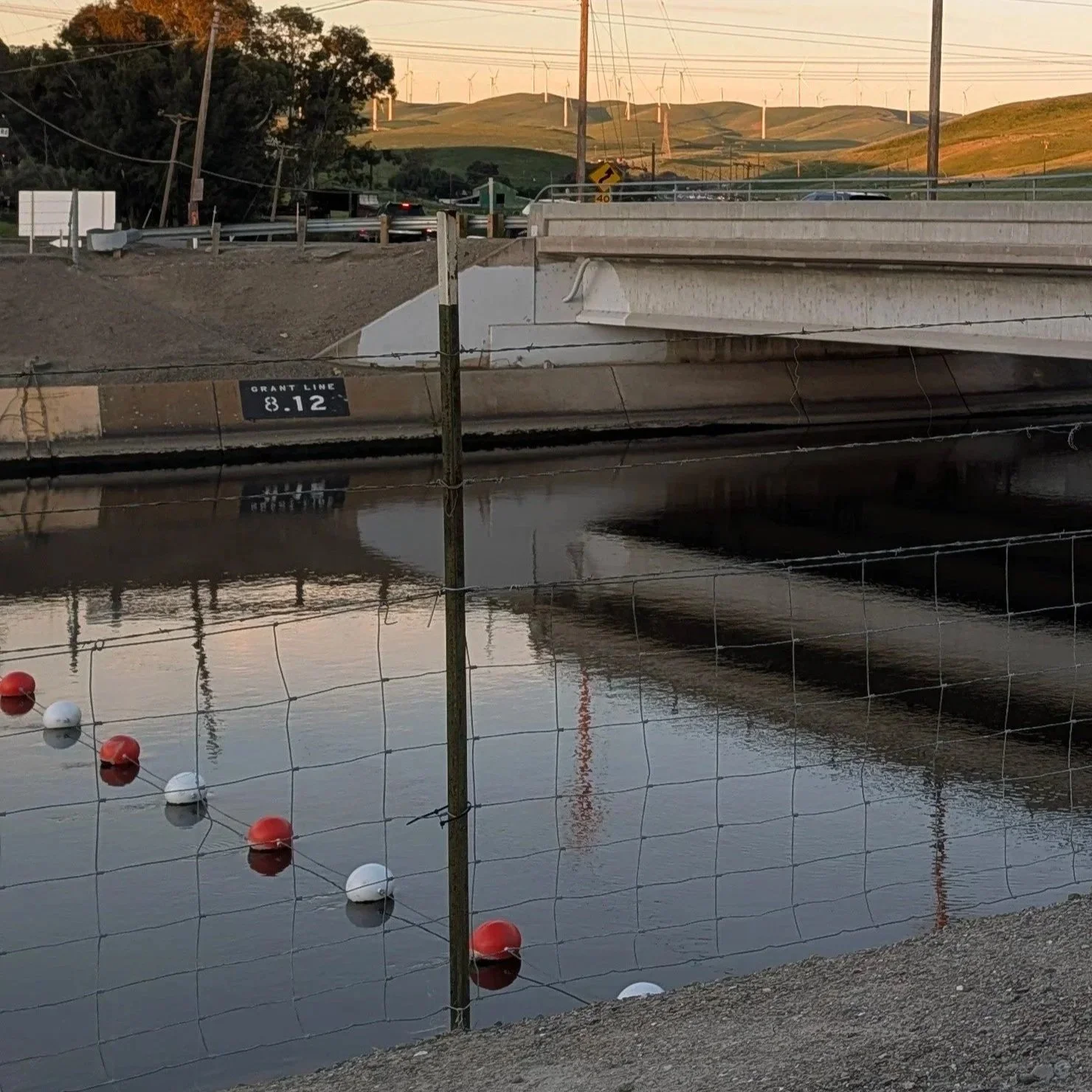
If someone drifting with the current reaches one of these lines, grabbing a buoy or the cable can help them:
stabilize themselves in the current
slow their downstream movement
move toward the canal wall or a ladder
Not every canal section has buoy lines, but when they are present they can provide a critical lifeline.
Awareness Prevents Emergencies
Most canal incidents begin with something simple—standing too close to the edge, losing footing on loose ground, or underestimating how powerful the moving water can be.
Keeping a safe distance from the edge, watching children and pets carefully, and paying attention to posted warnings are simple steps that prevent accidents before they happen.
A Vital System for California
The canals that cross California are part of the California Aqueduct and the State Water Project, one of the largest water delivery systems in the world. This network moves water hundreds of miles across the state, supplying cities, farms, and communities that depend on it every day.
It is an impressive and essential system. Understanding the risks around these canals—and respecting the safety measures built into them—helps ensure people can safely live and work alongside this critical infrastructure.